Pakistan is one of the sunniest countries on earth. It receives abundant ultraviolet radiation for the majority of the year. And yet, according to a comprehensive meta-analysis published in the Journal of Diabetology in 2024, 78% of Pakistanis are vitamin D deficient. That number, drawn from 37 studies covering 19,338 individuals, makes this one of the most significant and most ignored public health crises in the country.
The paradox is real and it has been studied. A country full of sunshine is producing a population that is overwhelmingly short of the one vitamin that sunshine is supposed to provide. This article explains exactly why that happens, what it does to your body, and what you can do about it using foods, sunlight habits, and supplements that are available right now in Pakistan.
The Numbers: What Pakistani Research Actually Shows
The scale of vitamin D deficiency in Pakistan is not a matter of opinion or isolated observation. It is one of the most consistently documented findings in Pakistani medical literature across the last fifteen years.
Sources: Journal of Diabetology meta-analysis 2024 (19,338 participants); Pakistan National Nutrition Survey 2011 & 2018; BMC Public Health cross-sectional study, Dow University of Health Sciences; NIH-published Lahore women study, PMC 2015.
The 2024 meta-analysis is the most comprehensive to date. It pooled findings from 37 separate peer-reviewed studies published in Pakistan between 2010 and 2022. The overall pooled prevalence was 78%, with a 95% confidence interval of 74.2% to 82%. This means the true figure is almost certainly between those bounds. The researchers noted that this deficiency is common, clinically important, and consistently neglected in public health policy.
Among children and adolescents the situation is worse. The same meta-analysis found a pooled prevalence of 84% in that age group, meaning the next generation of Pakistanis is growing up with compromised bone density, weakened immunity, and impaired development linked directly to a deficiency that is both preventable and treatable.
Why Is This Happening in a Sunny Country?
This is the question that every Pakistani doctor who has studied this issue has had to answer. Pakistan sits between 24 and 37 degrees north latitude, receives strong ultraviolet radiation for the majority of the year, and has no shortage of sunshine. So why are 78% of its people deficient in the one vitamin the body makes from sun exposure?
The answer is that sunlight alone is not enough if the conditions for vitamin D synthesis are not met. The human body only synthesizes vitamin D when bare skin is exposed to UVB radiation (wavelengths of 290 to 320 nanometers) for a sufficient duration. Every one of the following factors, all of which are present across Pakistan, blocks or reduces that synthesis dramatically.
Indoor Lifestyles
A study from Dow University of Health Sciences involving 27,880 patients found that deficiency was significantly higher among people with indoor occupations at 71.9% compared to outdoor workers. As Pakistan urbanizes and more of the workforce moves into offices, factories, and households, meaningful sun exposure disappears from daily life. Most urban Pakistanis are indoors for the hours when UVB radiation is strongest.
Cultural Clothing Norms
The NIH-published Lahore study of women of childbearing age found that less than 30 minutes of sun exposure per day independently doubled the risk of vitamin D deficiency. Pakistani women, particularly those who wear full-coverage clothing for religious or cultural reasons, often receive no meaningful UVB radiation on their skin at all, regardless of how much time they spend outdoors. The skin simply cannot synthesize vitamin D through fabric.
Air Pollution in Urban Centers
Urban smog and particulate matter in cities like Lahore, Karachi, and Peshawar absorb and scatter UVB radiation before it reaches the ground. Pakistan's major cities consistently rank among the most polluted in Asia. This means that even people who do go outdoors in cities may be absorbing significantly less UVB than their rural counterparts.
Skin Melanin Content
South Asian skin has higher melanin content than lighter-skinned populations. Melanin is a natural sunscreen: it reduces UV penetration. For darker skin, the same sun exposure produces less vitamin D than it would in lighter-skinned individuals. Pakistanis therefore need more sun exposure than fair-skinned populations to synthesize the same amount of vitamin D.
No Food Fortification Policy
In countries like the United States, Canada, and much of Europe, milk, cereals, and orange juice are routinely fortified with vitamin D. Pakistan has no mandatory food fortification program for vitamin D. Very few locally produced food products contain meaningful amounts of the vitamin, and dietary intake contributes only 10% of vitamin D even under the best circumstances.
Low Awareness and Late Diagnosis
The Lahore women study found illiteracy to be independently associated with a four-times higher risk of vitamin D deficiency. Without awareness that deficiency is possible and testable, most Pakistanis never have their vitamin D levels checked. The symptoms of deficiency overlap with dozens of other conditions, meaning the underlying cause is frequently missed for years.
What Vitamin D Deficiency Does to Your Body
Vitamin D is not just a bone vitamin. It functions as a hormone in the human body and regulates over 200 genes. Its deficiency has documented consequences across multiple organ systems. Here is what the clinical evidence shows.
Bone and Joint Pain
56% of vitamin D deficient patients in Pakistani clinical studies reported generalized body aches. Severe deficiency causes osteomalacia in adults, where bones soften and fracture risk increases significantly.
Fatigue and Low Energy
45% of deficient patients reported fatigue in Pakistani OPD studies. Vitamin D receptors are present in nearly every cell in the body. Without it, cellular energy production is impaired.
Weak Bones (Osteoporosis)
A Peshawar study found that postmenopausal Pakistani women have very high rates of osteoporosis directly linked to vitamin D deficiency. 97% of women aged 75 to 84 in rural Pakistan were predisposed to osteoporosis.
Children: Rickets and Delayed Growth
84% deficiency rate in Pakistani children and adolescents means widespread risk of rickets, bone deformities, delayed development, muscle weakness, and dental problems affecting primary teeth.
Depression and Mood Disorders
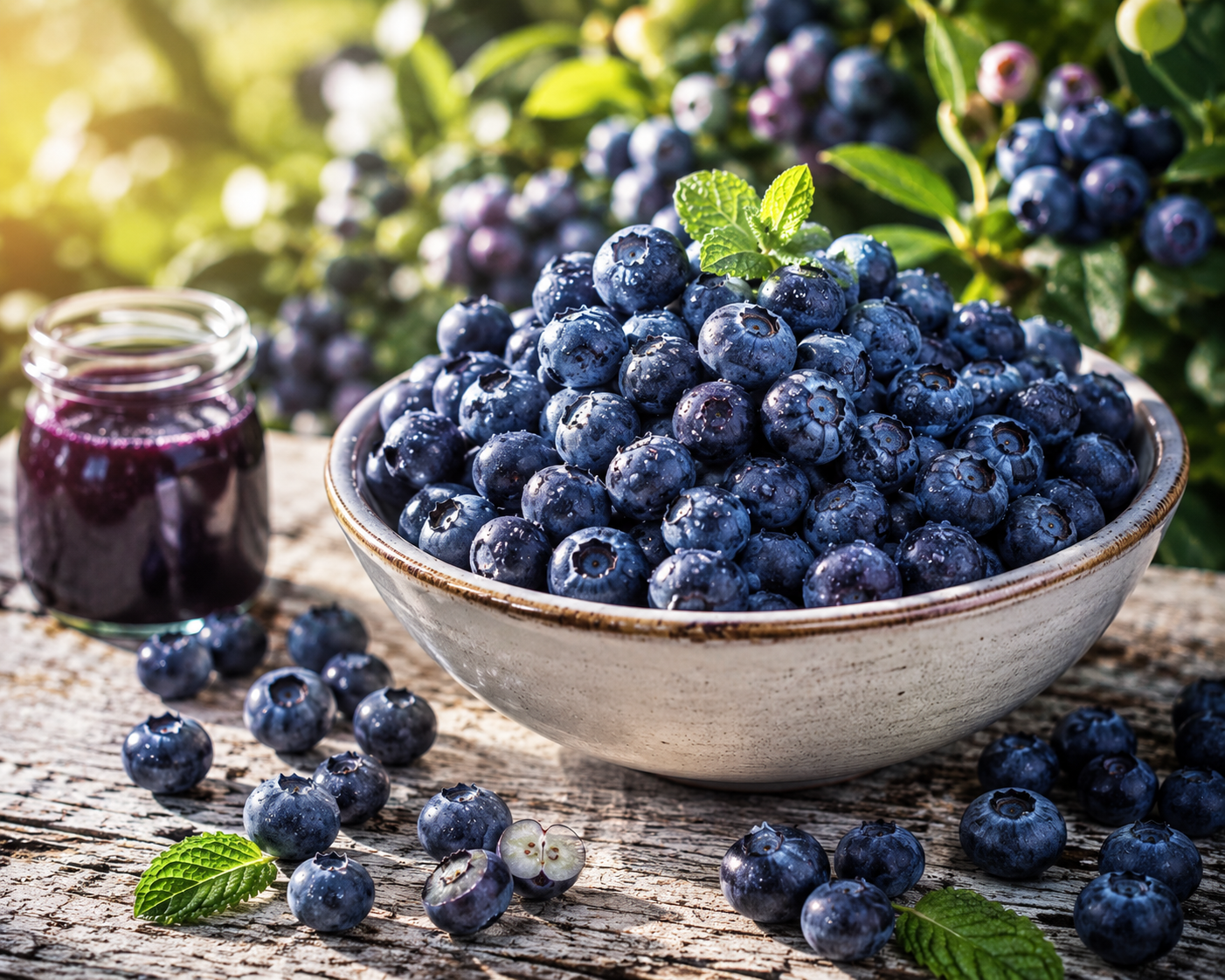
Vitamin D receptors exist in brain regions that regulate mood. Research links deficiency to depression, anxiety, and cognitive impairment. A 2024 study showed a single dose of blueberries (rich in antioxidants that support vitamin D metabolism) improved mood markers in deficient adults.
Cardiovascular Risk
A 2025 cross-sectional study from Pakistan, published in Cureus (NCBI), found a significant association between vitamin D deficiency and subclinical cardiovascular symptoms in young adults aged 18 to 35.
Weakened Immunity
Vitamin D activates T-cells and other immune cells. Deficiency is associated with higher susceptibility to respiratory infections, tuberculosis (already prevalent in Pakistan), and slower recovery from illness.
Muscle Weakness
Vitamin D is required for proper muscle function. Deficiency causes proximal muscle weakness, making simple activities like climbing stairs or rising from a seated position difficult, particularly in the elderly.
Hair Loss
Vitamin D receptors in hair follicles play a role in the hair growth cycle. Deficiency is associated with alopecia areata and diffuse hair thinning, both common complaints in Pakistani dermatology clinics.
Who Is Most at Risk in Pakistan
- Women of childbearing age, particularly those who cover skin fully or spend most time indoors
- Pregnant and breastfeeding women (National Nutrition Survey 2011 found 70% deficiency in this group)
- Children and adolescents (84% deficiency rate in meta-analysis subgroup analysis)
- Office workers, factory workers, and students with predominantly indoor routines
- Elderly individuals who spend most of their time at home
- People in urban centers with high air pollution, particularly Lahore and Karachi
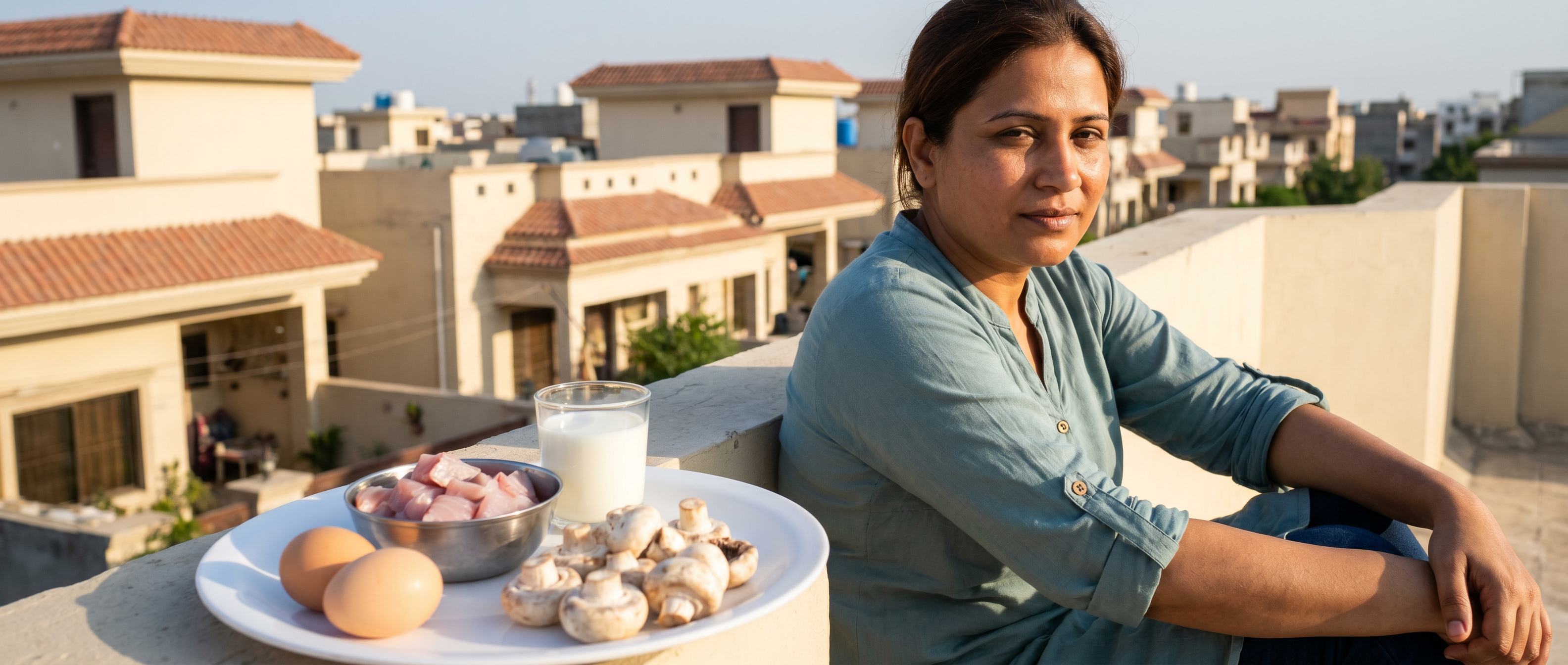
- People with low dietary diversity who eat little or no fish, eggs, or dairy
- People with darker skin requiring longer sun exposure for the same vitamin D production
- Individuals with obesity (vitamin D is fat-soluble and can be stored in fat tissue, reducing its availability in blood)
- People with conditions affecting fat absorption, such as celiac disease
Vitamin D Rich Foods Available in Pakistan
Diet contributes only about 10% of the body's vitamin D under normal circumstances. However, when sunlight exposure is inadequate (which it is for most urban Pakistanis), food sources and supplements become the primary way to maintain levels. The following foods are the most effective dietary sources.
| Food | Vitamin D per Serving | % Daily Value | Available in Pakistan |
|---|---|---|---|
| Cod liver oil (1 tablespoon) | 1,360 IU | 170% | Yes, in pharmacies |
| Atlantic salmon (100g, cooked) | 447 to 600 IU | 56 to 75% | Available in major cities |
| Rohu fish (100g) | 150 to 250 IU (est.) | 19 to 31% | Widely available, affordable |
| Mackerel, canned sardines (100g) | 200 to 300 IU | 25 to 38% | Available in most grocery stores |
| Egg yolk (1 large egg) | 41 IU | 5% | Widely available, very affordable |
| Chicken liver (100g) | 50 to 70 IU | 6 to 9% | Widely available, affordable |
| Beef liver (100g) | 42 to 50 IU | 5 to 6% | Widely available |
| Fortified milk (1 cup) | 100 to 150 IU | 13 to 19% | Some brands, check labels |
| Sun-exposed mushrooms (100g) | Up to 2,000 IU | Up to 250% | Mushrooms available; sun-expose them yourself |
| Tuna, canned in water (85g) | 154 IU | 19% | Available in most stores |
Daily Value (DV) based on 800 IU recommended for adults. Fish values vary by species and cooking method. Always consult a healthcare provider for personalized dietary recommendations.
How to Increase Vitamin D Levels: A Practical Pakistan Guide
The fix for vitamin D deficiency in Pakistan requires combining three approaches: controlled sunlight exposure, dietary changes, and where needed, supplementation. All three together are more effective than any one alone.
- Get the right sunlight at the right time. The body only synthesizes vitamin D from UVB radiation, which is strongest between 11 AM and 3 PM. Researchers recommend 15 to 20 minutes of direct exposure on arms, legs, and face during these hours, without sunscreen. In winter, extend this to 20 to 30 minutes. Simply sitting near a sunny window does not work because glass blocks UVB. You must be outside with skin directly exposed to open sky.
- Eat fish at least twice a week. Rohu is the most affordable fatty fish widely available across Pakistan and provides meaningful amounts of vitamin D. Mackerel, sardines, and canned tuna are also good options available in grocery stores. A 100g portion of rohu two to three times per week contributes significantly to daily requirements. Grilling or baking preserves more vitamin D than deep frying.
- Eat eggs daily, yolk included. The vitamin D in an egg is entirely in the yolk. Eating two eggs daily provides roughly 80 to 100 IU of vitamin D. This is not enough on its own but it contributes alongside other sources. Whole eggs are also one of the most affordable and accessible sources of nutrition in Pakistan.
- Add liver to your weekly diet. Chicken liver, widely available and inexpensive at Pakistani butchers and grocery stores, contains 50 to 70 IU of vitamin D per 100g. It is also rich in iron, vitamin B12, and vitamin A. Kaleji (liver curry) is already a culturally familiar dish and an easy way to incorporate this into a weekly routine.
- Sun-expose your mushrooms before cooking. As noted above, placing raw mushrooms in direct midday sunlight for 15 to 20 minutes before cooking is a simple, zero-cost way to convert them into a significant vitamin D source. Place them gill-side up for maximum surface area exposure.
- Check labels on dairy and cereals for fortification. Some Pakistani dairy brands and breakfast cereals now fortify their products with vitamin D. Check the nutritional label for "Vitamin D" or "Cholecalciferol." Fortified products in Pakistan remain rare compared to Western markets, but availability is growing.
- Take a vitamin D3 supplement if dietary and sun sources are insufficient. The National Institutes of Health recommends 600 IU daily for adults under 70, and 800 IU for adults over 70. For people with confirmed deficiency, Pakistani doctors commonly prescribe 1,000 to 5,000 IU of vitamin D3 (cholecalciferol) daily, depending on severity. Always take vitamin D3 with a meal containing healthy fat (like ghee, nuts, or avocado) as it is fat-soluble and absorbs significantly better with fat. Take it in the morning or at lunchtime, not at night.
- Include magnesium-rich foods in your diet. Magnesium is required to activate vitamin D in the body. Without sufficient magnesium, supplemented vitamin D cannot be properly converted to its active form. Foods high in magnesium include almonds, walnuts, sesame seeds (til), spinach (palak), lentils (daal), and bananas, all of which are widely available and used in Pakistani cooking.
- Get your levels tested before and after treatment. A serum 25-hydroxyvitamin D test at any diagnostic lab in Pakistan (Chughtai Lab, Agha Khan, Dr Essa) typically costs between PKR 1,500 and PKR 3,000. It takes 4 to 8 weeks of consistent supplementation for levels to meaningfully rise. Retest after 8 to 12 weeks to confirm your levels are in the sufficient range (above 30 ng/mL). Do not guess your dose. High-dose supplementation without testing can cause vitamin D toxicity.
What Doctors and Researchers Are Recommending for Pakistan
The 2024 Journal of Diabetology meta-analysis concluded with a direct call to action for Pakistani health authorities. The researchers described the deficiency as common, important, and neglected, and specifically identified the absence of a national food fortification program as a critical policy gap.
The 2025 Cureus study on cardiovascular risk in young Pakistani adults recommended routine vitamin D screening as part of standard preventive care for adults under 35, given the high prevalence and the documented link between deficiency and early cardiovascular indicators.
Multiple researchers have called for Pakistan to follow the example of countries like the UK, Canada, and the United States in mandating vitamin D fortification of staple foods, particularly milk, wheat flour, and cooking oil, which reach the broadest section of the population. Until such a policy exists, the burden falls on individuals and their healthcare providers.
Recommended Daily Intake: How Much Do You Actually Need
The Recommended Dietary Allowance (RDA) for vitamin D set by the National Institutes of Health is 600 IU (15 mcg) per day for adults aged 1 to 70, and 800 IU (20 mcg) for adults over 70. The Tolerable Upper Intake Level, the maximum amount unlikely to cause harm, is 4,000 IU per day for adults.
For people with confirmed deficiency, a doctor may prescribe much higher doses short-term (50,000 IU per week, for example) to restore levels quickly, followed by a maintenance dose once levels normalize. This must be done under medical supervision. Self-prescribing very high doses over extended periods can cause vitamin D toxicity, which manifests as nausea, weakness, frequent urination, kidney problems, and abnormal calcium deposits.
Pakistan does not have a vitamin D problem because it lacks sunshine. It has a vitamin D problem because modern Pakistani lifestyles have systematically eliminated the conditions under which that sunshine can do its job. Indoor work, covered clothing, polluted urban skies, and a diet low in naturally vitamin-D-rich foods have combined to create a deficiency affecting three out of four people.
The solution is not complicated. Fifteen to twenty minutes of midday sun on bare skin. Fish twice a week. Eggs daily. Liver in the weekly rotation. Sun-exposed mushrooms in your cooking. A vitamin D3 supplement if your levels are low. A blood test to know where you stand. These are inexpensive, practical steps available to almost every Pakistani household.
The harder part is awareness. Seventy-eight percent of a nation cannot be deficient in a vitamin without public health consequences. The research is clear. The solutions exist. The first step for any individual is simply to find out their own number.
Frequently Asked Questions
What percentage of Pakistanis are vitamin D deficient?
A comprehensive meta-analysis published in the Journal of Diabetology in 2024, covering 37 studies and 19,338 participants across Pakistan, found a pooled prevalence of 78% vitamin D deficiency. Among children and adolescents the rate was 84%. A separate study of asymptomatic adults in Karachi found 84% deficient even without symptoms.
Source: Mahar et al., Journal of Diabetology, 2024 (DOI: 10.4103/jod.jod_61_24)Why is vitamin D deficiency so common in Pakistan despite so much sunlight?
The main reasons are indoor lifestyles, cultural clothing norms that cover most of the skin, urban air pollution blocking UVB rays, high skin melanin content requiring longer sun exposure for the same synthesis, limited food fortification, and low public awareness. Sunlight only produces vitamin D when bare skin is directly exposed to UVB radiation between 11 AM and 3 PM. Most urban Pakistanis meet none of those conditions on a daily basis.
What are the symptoms of vitamin D deficiency in Pakistan?
Pakistani clinical studies report the most common symptoms as generalized body aches (56% of deficient patients), fatigue and low energy (45%), bone pain, muscle weakness, depression, frequent infections, dental problems, and in children, rickets and delayed development. Many people with deficiency are completely asymptomatic, which is why blood testing is the only reliable confirmation.
Which Pakistani foods are highest in vitamin D?
Cod liver oil (1,360 IU per tablespoon) is the single richest source. Fatty fish like rohu, mackerel, sardines, and canned tuna are the best everyday food sources. Egg yolks, chicken liver, and beef liver are affordable and widely available options. Mushrooms placed gill-side up in direct midday sunlight for 15 to 20 minutes before cooking can produce up to 2,000 IU per 100 grams. Fortified milk and cereals are available from some brands but not yet widespread.
How much sunlight do you need for vitamin D in Pakistan?
Research recommends 15 to 20 minutes of direct sun exposure on arms, legs, and face between 11 AM and 3 PM daily in summer. In winter, extend this to 20 to 30 minutes. Sunscreen, glass windows, and clothing covering the skin prevent vitamin D synthesis. People with darker skin tones need longer exposure than those with lighter skin to produce the same amount.
Which vitamin D supplement is best in Pakistan?
Vitamin D3 (cholecalciferol) is the recommended form as it is more bioavailable than D2. It should be taken with a fat-containing meal for best absorption. Common Pakistani brands include Nutrifactor Suncell, Osteocare (Vitabiotics UK, widely prescribed by doctors), and SOLirax. Always confirm your dose with a doctor based on a blood test result. Standard maintenance doses are 600 to 2,000 IU daily. Do not self-prescribe high doses without testing.
How long does it take to recover from vitamin D deficiency?
With consistent daily supplementation at appropriate doses, most people see meaningful improvement in serum 25-OH-D levels within 8 to 12 weeks. Symptom improvement (reduction in fatigue, body aches) often begins within 4 to 6 weeks. Bone density improvements take longer. Retest after 8 to 12 weeks to confirm your levels have reached the sufficient range above 30 ng/mL.